By Anjum Niaz
We’ll never know why the 10-year-old Akbar ran after his father to stop him from going to Rawalpindi. Did he have a premonition?
Ashraf Liaquat Ali Khan, older by four years, remembers how his parents celebrated his 14th birthday at the then PM House in Karachi, barely two weeks before his father was assassinated.
“My whole class at Karachi Grammar School was invited.” Does Ashraf know who killed his father, now that new revelations blaming America surfaced in Washington when certain documents were declassified in 2006? “Was it really the Americans?” He can’t say, but “America wanted my father’s help in subduing the Iranians as they wanted Iranian oil. But he refused.” Adding another twist to the mystery, Ashraf tells me, “The plane carrying the inquiry officer on board who had the answers to who killed my father was blown to smithereens in midair. We were told that there was no other copy of the investigation.”
Was Army Chief General Asif Nawaz poisoned? If you talk to his brother Shuja Nawaz, author of Crossed Swords, you get the idea that he was. If you talk to General ( retd) Naseeruallah Babar, you’re told in no uncertain words that he was not. And if you talk to an army doctor who was connected with the case, you get a whole new dimension.
Who killed Benazir Bhutto? If you believe her widower Asif Zardari, you’d agree with him that the establishment had a hand and therefore only a UN inquiry costing the taxpayers millions of dollars can solve the mystery. If you talk to a head of a security firm in Karachi who was asked to provide the armoured SUV’s (sports utility vehicles) for Benazir Bhutto you’re told that Rehman Malik asked for sun roofs to be installed in the cars. Every security firm in Pakistan responded with an emphatic ‘No.’ Said one, “How can an armoured car have a sun roof? The whole idea of security is killed. Think about it,” they argue.
Who killed Prime Minister Liaquat Ali Khan? “Right up to the day my mother died, she wanted to know who killed my father,” says Ashraf. If you read the declassified documents on the Internet, you discover that America was behind the murder. And if you ask Ashraf again if the Indians did it, he quotes his mother, Begum Ra’ana Liaquat who was pointedly told by the bigwigs in India that they had no hand in the foul play. If you ask around you’re told by some that the politicians of those days in cahoots with the army had the first prime minister of Pakistan eliminated.
Confusion worst confounded.
Still, it’s the right of every Pakistani to ask who killed the above three VVIPs. We draw a blank from our establishment in BB’s case while the establishment has conveniently closed its files on Liaquat Ali Khan’s assassination and General Asif Nawaz’s sudden death. In the former’s case, we don’t have an answer from the establishment, while in the latter’s case, the government has told us that the Army Chief died of a heart attack.Brother Shuja Nawaz - journalist, military analyst and author was in Islamabad recently from Washington. In his book Crossed Swords, he has reproduced anonymous letters written by the staff serving Prime Minister Nawaz Sharif who allege that they would dust the dinner plates with arsenic powder every time Asif Nawaz came for a meal at the PM’s house. Furthermore, the author has reproduced in full the forensic reports of well known doctors based on an examination of the deceased’s hair. Their verdict: Asif Nawaz had high levels of arsenic in his blood that could kill. General ( retd) Babar called me up from Peshawar to refute the claim, saying he sent samples to France and Russia which were negative.
Whom does one believe? I ask Shuja Nawaz. He thinks Naseerullah Babar’s memory is playing tricks. “Where did he get hold of my brother’s hair?” he says, “We never gave it to him.” When I ask Babar, he tells me, “well, I’ve told you everything that there is to tell. Nawaz Sharif is innocent, there was no foul play but if the family (Shuja Nawaz ) doesn’t want to believe it, then it’s their personal affair.”
A retired brigadier who served in the army medical corps adds another dimension to the mystery. He says the late COAS was taking energy boosting pills that contained safe levels of arsenic. When I ask Shuja Nawaz, he hotly denies the story.
Talking about sensitivities, Ashraf Ali Khan recalls the Christmas Day in 1947 when his father in a fit of anger sent in his resignation. His parents had been invited to celebrate Christmas with the Quaid and Miss Fatima Jinnah. “After lunch the Quaid took my father aside and asked him why Begum Ra’ana Liaquat did not sit on the same sofa where Miss Jinnah was sitting and why she had declined a glass of sherry which her host wanted her to partake of.
The Quaid was visibly annoyed. So, when my father came home he sent in his resignation!” Had the resignation been accepted, the first prime minister of Pakistan could have died a natural death, instead of being gunned down in Rawalpindi and leaving no clues behind of his murderers.--Dawn Magazine
Sunday, September 7, 2008

Saturday, September 6, 2008
Trophy hunting becomes vital conservation tool
ISLAMABAD: The concept of hunting and shooting animals for sport would strike many as barbaric. That is even truer of trophy hunting where the objective was not food but handsome heads or sets of horns to decorate walls.
Sad and pathetic it may be but trophy hunting is now considered a vital conservation tool to help conserve threatened species and their habitats in Pakistan's Northern Areas where flame-horned markhor, Ibex and blue sheep, to mention some, flourished.
Found at altitudes ranging from 8,000 to 13,000 feet in the Himalayas, flame-horned markhor risked extinction the most due to habitat destruction and illegal hunting with sophisticated weapons. However, due to conservation efforts and a new preservation tool, trophy hunting, markhor figures rose from 1,000 to an estimated 1,500 in 2008.
This controversial leisure industry (or trophy hunting) had drawn attention to these areas, locally and internationally, from the USA, Spain and Germany. Hunters are now tramping through rough country and enjoying the thrill of the chase, keeping still upwind and lining up for the perfect shot.
This year, US-based Pakistani Syedullah Khan Piracha paid $55,000 trophy hunting fee, the highest ever collected to hunt markhor. Last year, a German hunter had paid $40,000 to hunt down a flame-horned markhor. Simply put, hunters are paying more and more for exotic animals to be kept alive – which had to be a good thing.
“Managed properly, trophy hunting can provide a source of jobs and incomes and so gives local communities a reason to protect wildlife and habitats that might otherwise be lost to deforestation and illegal hunting etc,” said Dr Mayoor Khan who is Programme Manager Wildlife Conservation Society.
Dr Khan, who has done his PhD in status and distribution and conservation of flare-horned markhor in Northern Areas and Kohistan from Karachi University, said trophy hunting was a well-thought concept to protect endangered animals like the flare-horned markhor or ibex and blue sheep in Pakistan.
Dr Khan believed that bringing local communities on board had played significant role in conservation of wildlife and its habitat.
“The community keeps some 80 per cent of their share of trophy hunting fees and the rest goes to the government. Their share runs into hundreds of thousands of rupees. The practice saves resources. It provides alternate incentives, gives them a sense of responsibility and ownership to protect wildlife and its habitat.”
According to restrictions laid down by the government, international conservation NGOs and wildlife experts in this joint venture, hunting season opens once a year. Hunters were permitted to kill three animals last year. And only four hunters were permitted to hunt this year, Dr Khan said as he explained the thrill of paying to kill an animal.
“Trophy hunting did not affect animal population. Certain areas have been declared off limits. And hunters are allowed to hunt only if there is a trophy hunting size animal available in the wild. Hunters can kill eight blue sheep and 50 ibex for a price that goes up during biddings,” said Mohammad Jamil who is chairman Mountain Conservation and Development Programme (MCDP).
“The Northern Areas are considered one of the most important stronghold areas for these vulnerable species. The MCDP’s role is critical in working to conserve the markhor, the ibex and other animals,” Jamil said.
Sad and pathetic it may be but trophy hunting is now considered a vital conservation tool to help conserve threatened species and their habitats in Pakistan's Northern Areas where flame-horned markhor, Ibex and blue sheep, to mention some, flourished.
Found at altitudes ranging from 8,000 to 13,000 feet in the Himalayas, flame-horned markhor risked extinction the most due to habitat destruction and illegal hunting with sophisticated weapons. However, due to conservation efforts and a new preservation tool, trophy hunting, markhor figures rose from 1,000 to an estimated 1,500 in 2008.
This controversial leisure industry (or trophy hunting) had drawn attention to these areas, locally and internationally, from the USA, Spain and Germany. Hunters are now tramping through rough country and enjoying the thrill of the chase, keeping still upwind and lining up for the perfect shot.
This year, US-based Pakistani Syedullah Khan Piracha paid $55,000 trophy hunting fee, the highest ever collected to hunt markhor. Last year, a German hunter had paid $40,000 to hunt down a flame-horned markhor. Simply put, hunters are paying more and more for exotic animals to be kept alive – which had to be a good thing.
“Managed properly, trophy hunting can provide a source of jobs and incomes and so gives local communities a reason to protect wildlife and habitats that might otherwise be lost to deforestation and illegal hunting etc,” said Dr Mayoor Khan who is Programme Manager Wildlife Conservation Society.
Dr Khan, who has done his PhD in status and distribution and conservation of flare-horned markhor in Northern Areas and Kohistan from Karachi University, said trophy hunting was a well-thought concept to protect endangered animals like the flare-horned markhor or ibex and blue sheep in Pakistan.
Dr Khan believed that bringing local communities on board had played significant role in conservation of wildlife and its habitat.
“The community keeps some 80 per cent of their share of trophy hunting fees and the rest goes to the government. Their share runs into hundreds of thousands of rupees. The practice saves resources. It provides alternate incentives, gives them a sense of responsibility and ownership to protect wildlife and its habitat.”
According to restrictions laid down by the government, international conservation NGOs and wildlife experts in this joint venture, hunting season opens once a year. Hunters were permitted to kill three animals last year. And only four hunters were permitted to hunt this year, Dr Khan said as he explained the thrill of paying to kill an animal.
“Trophy hunting did not affect animal population. Certain areas have been declared off limits. And hunters are allowed to hunt only if there is a trophy hunting size animal available in the wild. Hunters can kill eight blue sheep and 50 ibex for a price that goes up during biddings,” said Mohammad Jamil who is chairman Mountain Conservation and Development Programme (MCDP).
“The Northern Areas are considered one of the most important stronghold areas for these vulnerable species. The MCDP’s role is critical in working to conserve the markhor, the ibex and other animals,” Jamil said.
Asif Zardari elected President of Pakistan
Pakistan's Asif Ali Zardari on Saturday was elected President of Pakistan for a term of five years after he defeated his opponents from PML-N and PML-Q. According to the unofficial results, out of the total 702 votes of the electoral college, Zardari secured 479 votes. He got 281 from Parliament, 22 from Punjab, 64 from Sindh, 59 from Balochistan and 56 from NWFP.
The electoral college for President comprises the Senate (upper house), National Assembly of Pakistan (the lower house) and four provincial assemblies.
Justice retired Saeeduzaman Siddique of the PML-N got 153 and Mushahid Hussain of the PML-Q got 43 votes.
The presidential elections were held after resignation of President Pervez Musharraf on August 18.
In the Senate and National Assembly, Zardari, who heads the ruling Pakistan People's Party as its co-chairman after the assasination of his wife Benazir Bhutto on December 27, 2007, secured 281 votes, Justice Saeeduzaman Siddique 11 and 34 votes went to Mushahid Hussain Sayed. A total of 436 votes were polled, of which ten were declared invalid. The National Assembly has 342 and Senate 100 members.
He also got majority of votes in NWFP, Sindh and Balochistan. Zardari secured 123 in Punjab Assembly, 162 in Sindh Assembly, 107 in NWFP, and 59 in Balochistan Assembly. None of his rivals could score a vote in teh Sindh assembly.
His rival Saeeduzaman Siddique got 201 votes in Punjab Assembly, none from Sindh, 10 from NWFP and 2 from Balochistan Assembly.
Mushahid got 36 from Punjab Assembly, none from Sindh, three from NWFP and two from Balochistan Assembly. Zardari will take oath of his office on September 7.
The electoral college for President comprises the Senate (upper house), National Assembly of Pakistan (the lower house) and four provincial assemblies.
Justice retired Saeeduzaman Siddique of the PML-N got 153 and Mushahid Hussain of the PML-Q got 43 votes.
The presidential elections were held after resignation of President Pervez Musharraf on August 18.
In the Senate and National Assembly, Zardari, who heads the ruling Pakistan People's Party as its co-chairman after the assasination of his wife Benazir Bhutto on December 27, 2007, secured 281 votes, Justice Saeeduzaman Siddique 11 and 34 votes went to Mushahid Hussain Sayed. A total of 436 votes were polled, of which ten were declared invalid. The National Assembly has 342 and Senate 100 members.
He also got majority of votes in NWFP, Sindh and Balochistan. Zardari secured 123 in Punjab Assembly, 162 in Sindh Assembly, 107 in NWFP, and 59 in Balochistan Assembly. None of his rivals could score a vote in teh Sindh assembly.
His rival Saeeduzaman Siddique got 201 votes in Punjab Assembly, none from Sindh, 10 from NWFP and 2 from Balochistan Assembly.
Mushahid got 36 from Punjab Assembly, none from Sindh, three from NWFP and two from Balochistan Assembly. Zardari will take oath of his office on September 7.
Kalash village threatened by floods
Report Zahiruddin, Chitral
THE Krakal village of Bumburate valley faces potential danger of flashfloods which will sweep away not only the houses but also obliterate their cultural center, The residents of the valley said. They said the flashfloods after torrential rains two days ago had hit the village which was the center of Kalash cultural activities where there is the grand place of worship of the Kalash people (Jastakhan) situated where the Kalash people from all the three Kalash valleys of Bumburate, Birir and Rumbur assemble on the occasion of festivals.
They said the upgradation and renovation of the jastakhan by the government is in progress at a cost of Rs4 million. The Kalash people said that other buildings of cultural importance are also present in the settlement which included Bashaleni, a maternity home of the community. They said that the flood has damaged a number of houses on the hillside and by next time it will play havoc with the houses and its inhabitants.
Kalash residents Durdana Bibi and Faizi Khan said that the destruction of the village meant the destruction of the Kalash culture as a whole. They said that due to its cultural importance, the village was chosen three years ago as a venue where former president Pervaiz Musharraf arrived to meet the Kalash community. They demanded that check dams should immediately be erected on emergency basis on the hills above the village to contain the mud sliding during the torrential rains.
THE Krakal village of Bumburate valley faces potential danger of flashfloods which will sweep away not only the houses but also obliterate their cultural center, The residents of the valley said. They said the flashfloods after torrential rains two days ago had hit the village which was the center of Kalash cultural activities where there is the grand place of worship of the Kalash people (Jastakhan) situated where the Kalash people from all the three Kalash valleys of Bumburate, Birir and Rumbur assemble on the occasion of festivals.
They said the upgradation and renovation of the jastakhan by the government is in progress at a cost of Rs4 million. The Kalash people said that other buildings of cultural importance are also present in the settlement which included Bashaleni, a maternity home of the community. They said that the flood has damaged a number of houses on the hillside and by next time it will play havoc with the houses and its inhabitants.
Kalash residents Durdana Bibi and Faizi Khan said that the destruction of the village meant the destruction of the Kalash culture as a whole. They said that due to its cultural importance, the village was chosen three years ago as a venue where former president Pervaiz Musharraf arrived to meet the Kalash community. They demanded that check dams should immediately be erected on emergency basis on the hills above the village to contain the mud sliding during the torrential rains.
Death on the Farang Bur
By Salman Rashid
Hayward knew once he had explored the Darkot Pass at the head of this valley and made it safely into the Pamirs over the Broghal, officialdom would come clamouring to his support. Then, as now, there was no dearth of men eager to bask in another man’s glory
Between the beginning of the 19TH century and well into the 20th, the two great imperial powers of the day played what was called the Great Game. The name, coined by Arthur Connolly, a Scottish captain in the service of the East India Company, was the euphemism for the struggle for the control of Asia by Britain and Russia. In June 1842, Connolly gave up his ghost in the town square of Bokhara to the executioner’s sword. But the Great Game lived on; sometimes chivalrous, mostly deadly.
By the time the last proponent had played out the final act of this lethal Game, death had brought immortality to many a man engaged in it. Among others, one was called George Whitaker Hayward. He died not very far from Gilgit and his remains today lie buried in the dappled sunshine of the Christian cemetery in that town. In 1990, I had hunted for his grave, but building material spilling over from an adjacent construction site had covered up the tombstone and I had come away thinking it had fallen victim to our insensitivity to history.
In Gilgit again in September 1994, I visited the graveyard and was surprised by the neat look it wore. The trees looked fresher, there was no building material, and the cemetery was spic and span. It was not difficult to notice Hayward’s tombstone among the few graves in this tiny walled in burial ground — only the inscription had fallen out of its place in the stele and had been fixed on the horizontal piece. Someone just before me had thoughtfully placed a small bouquet on the tomb.
It was about sundown and I was alone under the trees alive with birds. The tombstone reminded me that Hayward, too, was a Fellow of the Royal Geographical Society (RGS). I thought how I might have worked at the same desk where this first class explorer and surveyor may have planned his own last and fatal expedition almost a century and a half before me. My flesh crawled. I sat down and touched the tombstone and I could almost see George Hayward, the most pathetic of the Great Game heroes.
With RGS backing, Hayward explored the country around Kashgar before setting out to prove what he believed to be shortest route from Peshawar to the Pamirs: the trail over the 3700 metre high Broghal Pass in the extreme north of Chitral.
Meanwhile, he wrote a letter to The Pioneer, the most widely read English language newspaper of India of the day. In this he censured the Maharaja of Kashmir for gross atrocities committed in Yasin (west of Gilgit), of which he had heard from survivors themselves. The article made its way to the Maharaja who was incensed. To please the Maharaja and to avoid any unnecessary embarrassment, the Government of India drew away from Hayward and so too did his patron, RGS.
Despite the withdrawal of official support, Hayward arrived in Yasin on July 13, 1870 to pursue his Pamir Expedition. He knew once he had explored the Darkot Pass at the head of this valley and made it safely into the Pamirs over the Broghal, officialdom would come clamouring to his support. Then, as now, there was no dearth of men eager to bask in another man’s glory. But that was to be only when Hayward returned successful to India. It never was, because five days later Hayward was dead, hacked to pieces by the men of the chief of Yasin.
Few details of that grisly occurrence are known, making it one of the most abiding mysteries of the Great Game. Some say that that in Yasin, Hayward had a heated argument with the Chief, Mir Wali, on the question of the route he was to take to Broghal. Others allege that Mir Wali was taken over by greed when he noticed the valuable gifts the explorer was bearing for other overlords on the way. In the Orient things work strangely, and there is every possibility that the Maharaja of Kashmir, upset with Hayward over the matter of his correspondence with The Pioneer, may have connived with his erstwhile enemies from Yasin. Whatever it was, the truth has never been discovered.
Leaving Yasin and arriving at Darkot, two marches to the north, Hayward set up camp outside the village on a low hill by a stream. To this day the stream is known as Farang Bur — White Man’s Stream. It was the afternoon of July 17. Later that day he was surprised to learn that a party of armed men had arrived from Yasin. By exposing the Maharaja’s atrocities against these very people, Hayward believed, he had gained their favour and had no reason to fear violence at their hands. But even before the sun had set, Hayward had some inclination of impending treachery. This came from his servant who now told him that shortly before departure from Yasin, Mir Wali had incited him to desert. And so Hayward decided to remain awake through the night.
He forwent dinner and plied himself with tea as he sat alone in his tent writing by lamplight. On the table was a loaded revolver and across his knees lay his rifle. His camp slept. Outside there was no unusual sound. The night wore on peacefully until complacence took over. Just before dawn, the fatigue of the long vigil overcame him and Hayward put his head on the table to sleep. The men who had waited beyond the glow of his campfire were alert, however. They leapt into his camp; a short struggle followed and they were in control. Hayward was bound, a noose put around his neck and he and his servants were led into the forest.
It is said that Hayward tried to buy his freedom against the contents of his baggage. The men of Yasin pointed out to him that after killing him all that was anyway going to be theirs. Then, just as the first rays of the sun were beginning to light up the remote valley of Darkot, a single stroke of the sword beheaded Hayward, who believed that the shortest and easiest route to the Pamirs was over the Broghal Pass. Next went his servants and then his camp was looted.
Another account says that before he died he requested to be allowed to watch the sun come up over the mountains. And so with his hands bound behind his back, he walked to a small hillock and stood looking silently eastward. Done with his private ritual, he turned back and calmly said, ‘I am ready’. The sun, so far as George Whitaker Hayward was concerned, rose the last time on July 18, 1870.
Weeks later, Hayward’s body was recovered on the efforts of a British geologist working for the Maharaja of Kashmir. The burial took place in a small garden in Gilgit as soldiers fired three volleys for the departed explorer. It might have brought his spirit some peace to know that death — and not success, as he had hoped — had caused his re-adoption by RGS for the last line of the epitaph on the tomb in Gilgit reads, ‘This monument is erected to a gallant officer and accomplished traveller at the instance of the Royal Geographical Society.’--Courtesy Daily Times
Hayward knew once he had explored the Darkot Pass at the head of this valley and made it safely into the Pamirs over the Broghal, officialdom would come clamouring to his support. Then, as now, there was no dearth of men eager to bask in another man’s glory
Between the beginning of the 19TH century and well into the 20th, the two great imperial powers of the day played what was called the Great Game. The name, coined by Arthur Connolly, a Scottish captain in the service of the East India Company, was the euphemism for the struggle for the control of Asia by Britain and Russia. In June 1842, Connolly gave up his ghost in the town square of Bokhara to the executioner’s sword. But the Great Game lived on; sometimes chivalrous, mostly deadly.
By the time the last proponent had played out the final act of this lethal Game, death had brought immortality to many a man engaged in it. Among others, one was called George Whitaker Hayward. He died not very far from Gilgit and his remains today lie buried in the dappled sunshine of the Christian cemetery in that town. In 1990, I had hunted for his grave, but building material spilling over from an adjacent construction site had covered up the tombstone and I had come away thinking it had fallen victim to our insensitivity to history.
In Gilgit again in September 1994, I visited the graveyard and was surprised by the neat look it wore. The trees looked fresher, there was no building material, and the cemetery was spic and span. It was not difficult to notice Hayward’s tombstone among the few graves in this tiny walled in burial ground — only the inscription had fallen out of its place in the stele and had been fixed on the horizontal piece. Someone just before me had thoughtfully placed a small bouquet on the tomb.
It was about sundown and I was alone under the trees alive with birds. The tombstone reminded me that Hayward, too, was a Fellow of the Royal Geographical Society (RGS). I thought how I might have worked at the same desk where this first class explorer and surveyor may have planned his own last and fatal expedition almost a century and a half before me. My flesh crawled. I sat down and touched the tombstone and I could almost see George Hayward, the most pathetic of the Great Game heroes.
With RGS backing, Hayward explored the country around Kashgar before setting out to prove what he believed to be shortest route from Peshawar to the Pamirs: the trail over the 3700 metre high Broghal Pass in the extreme north of Chitral.
Meanwhile, he wrote a letter to The Pioneer, the most widely read English language newspaper of India of the day. In this he censured the Maharaja of Kashmir for gross atrocities committed in Yasin (west of Gilgit), of which he had heard from survivors themselves. The article made its way to the Maharaja who was incensed. To please the Maharaja and to avoid any unnecessary embarrassment, the Government of India drew away from Hayward and so too did his patron, RGS.
Despite the withdrawal of official support, Hayward arrived in Yasin on July 13, 1870 to pursue his Pamir Expedition. He knew once he had explored the Darkot Pass at the head of this valley and made it safely into the Pamirs over the Broghal, officialdom would come clamouring to his support. Then, as now, there was no dearth of men eager to bask in another man’s glory. But that was to be only when Hayward returned successful to India. It never was, because five days later Hayward was dead, hacked to pieces by the men of the chief of Yasin.
Few details of that grisly occurrence are known, making it one of the most abiding mysteries of the Great Game. Some say that that in Yasin, Hayward had a heated argument with the Chief, Mir Wali, on the question of the route he was to take to Broghal. Others allege that Mir Wali was taken over by greed when he noticed the valuable gifts the explorer was bearing for other overlords on the way. In the Orient things work strangely, and there is every possibility that the Maharaja of Kashmir, upset with Hayward over the matter of his correspondence with The Pioneer, may have connived with his erstwhile enemies from Yasin. Whatever it was, the truth has never been discovered.
Leaving Yasin and arriving at Darkot, two marches to the north, Hayward set up camp outside the village on a low hill by a stream. To this day the stream is known as Farang Bur — White Man’s Stream. It was the afternoon of July 17. Later that day he was surprised to learn that a party of armed men had arrived from Yasin. By exposing the Maharaja’s atrocities against these very people, Hayward believed, he had gained their favour and had no reason to fear violence at their hands. But even before the sun had set, Hayward had some inclination of impending treachery. This came from his servant who now told him that shortly before departure from Yasin, Mir Wali had incited him to desert. And so Hayward decided to remain awake through the night.
He forwent dinner and plied himself with tea as he sat alone in his tent writing by lamplight. On the table was a loaded revolver and across his knees lay his rifle. His camp slept. Outside there was no unusual sound. The night wore on peacefully until complacence took over. Just before dawn, the fatigue of the long vigil overcame him and Hayward put his head on the table to sleep. The men who had waited beyond the glow of his campfire were alert, however. They leapt into his camp; a short struggle followed and they were in control. Hayward was bound, a noose put around his neck and he and his servants were led into the forest.
It is said that Hayward tried to buy his freedom against the contents of his baggage. The men of Yasin pointed out to him that after killing him all that was anyway going to be theirs. Then, just as the first rays of the sun were beginning to light up the remote valley of Darkot, a single stroke of the sword beheaded Hayward, who believed that the shortest and easiest route to the Pamirs was over the Broghal Pass. Next went his servants and then his camp was looted.
Another account says that before he died he requested to be allowed to watch the sun come up over the mountains. And so with his hands bound behind his back, he walked to a small hillock and stood looking silently eastward. Done with his private ritual, he turned back and calmly said, ‘I am ready’. The sun, so far as George Whitaker Hayward was concerned, rose the last time on July 18, 1870.
Weeks later, Hayward’s body was recovered on the efforts of a British geologist working for the Maharaja of Kashmir. The burial took place in a small garden in Gilgit as soldiers fired three volleys for the departed explorer. It might have brought his spirit some peace to know that death — and not success, as he had hoped — had caused his re-adoption by RGS for the last line of the epitaph on the tomb in Gilgit reads, ‘This monument is erected to a gallant officer and accomplished traveller at the instance of the Royal Geographical Society.’--Courtesy Daily Times
Friday, September 5, 2008
Marble city planned in Chitral
A day-long seminar on development of marble and granite quarries of Chitral was held here at Zilla Council Hall. District Nazim Haji Maghfirat Shah was chief guest on the occasion while the ceremony was presided over by Sartaj Ahmad Khan, Tehsil Nazim Chitral.
Pakistan Stone Development Company (PASDEC) organized the awareness seminar. Tahir Shahab and Tofeeq Ahmad briefed the participants about cutting of marble with modern way.
They said that some 80% marble is wasted due to blasting. They said PASDEC wanted to introduce its new machinery with the collaboration of mine owners for maximum production and collection of marble in big size. He said his company has hired foreign experts and want to train local people for promoting the marble sector. A marble city as well as a marble-processing center will be set up in Chitral. They said Chitral has rich potential of standard quality of white marble which is more in demand in the world market. He said 25 girls will be trained in gems cutting and polishing. A sum of Rs90 million will be spent for this purpose to promote marble sector in the country. Besides, a marble warehouse will also be established in Chitral
Pakistan Stone Development Company (PASDEC) organized the awareness seminar. Tahir Shahab and Tofeeq Ahmad briefed the participants about cutting of marble with modern way.
They said that some 80% marble is wasted due to blasting. They said PASDEC wanted to introduce its new machinery with the collaboration of mine owners for maximum production and collection of marble in big size. He said his company has hired foreign experts and want to train local people for promoting the marble sector. A marble city as well as a marble-processing center will be set up in Chitral. They said Chitral has rich potential of standard quality of white marble which is more in demand in the world market. He said 25 girls will be trained in gems cutting and polishing. A sum of Rs90 million will be spent for this purpose to promote marble sector in the country. Besides, a marble warehouse will also be established in Chitral
Call to appoint doctors in health centres of Mastuj
THE residents of Mastuj have called upon the government to immediately appoint medical staff at the tehsil health centre of Mastuj and basic health centre of Brep to cater to the basic medical needs of the people.
They said equipment including an X-ray machine provided for the RHC were rusting due to non-utilization. The people said the medical establishments were the only means of health care facilities in the areas which remained cut off in winter due to blockade of roads. In winter, patients have to be shifted to Booni on foot as the BHU and THC remained without staff and other facilities.
They called upon the tehsil, district nazims and the DCO of Chitral to immediately take up the mater and ensure availability of doctors and medicines at the centres.—GH Farooqui
They said equipment including an X-ray machine provided for the RHC were rusting due to non-utilization. The people said the medical establishments were the only means of health care facilities in the areas which remained cut off in winter due to blockade of roads. In winter, patients have to be shifted to Booni on foot as the BHU and THC remained without staff and other facilities.
They called upon the tehsil, district nazims and the DCO of Chitral to immediately take up the mater and ensure availability of doctors and medicines at the centres.—GH Farooqui
Subscribe to:
Posts (Atom)
Awesome and rugged

Beauty of Chitral
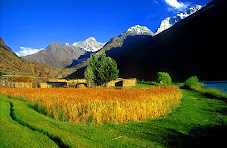
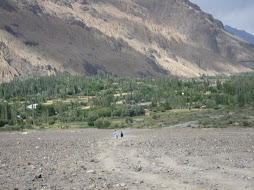
Kishmanja, a beautiful village in Yarkhun valley
Lush green
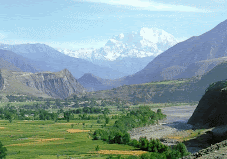
DIZG: threatened by floods
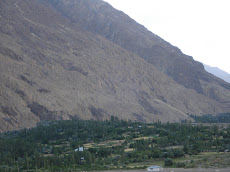
The legendary village of Ayun in Chitral
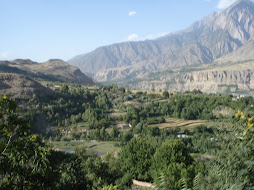
On way to Bumburet
Dizg, Yarkhun
About Me
- Zar Alam Khan Razakhel
- Village Dizg, Yarkhun valley, Chitral, Pakistan
- I blog at http://chitraltoday.net (ChitralToday) about Chitral, its people, culture, traditions and issues. I have been writing about Chitral since 2000. Chitral is a scenic valley in the extreme north-west of Pakistan.