Cultural practices and beliefs provide a sense of security for mothers in the aftermath of child birth in many rural areas.
According to a study conducted by Sharifa Mir of Chitral, new mothers are kept separately for some time to have less interaction with the family members. Soon after delivery, the sex of the baby is not shared with the mother because, if the baby's sex is in contrast to her expectations, there might be a number of complications, including retention of placenta. If the placenta is retained, snuff is given to the mother to inhale which induces sneezing leading to abrupt separation of the placenta.
Sometimes it leads to postpartum hemorrhage which could be fatal. In Kalash culture, women are kept in separate buildings called Bashalini (labour room) for three weeks after delivery and there is no interaction with other family members including the husband except with one woman.
Among Muslims, the concept of placing taweez and thread on the arm or around the neck is prevalent to prevent evil eye. Burning holy incense prepared from the seeds of special plants giving aromatic smoke and holding a baby in the smoke is commonly practised. Moreover, in newborn, a small incision is made between the eyebrows in order to prevent eye infections. Such surgical procedures end up in further complication like infection and scar formation.
The concept of personal hygiene also differs from culture to culture. Among Muslims, mothers avoid taking baths and shampooing hair during the first week of postnatal period as it is believed that it will increase bleeding. However, in Kalash culture, bathing is prohibited for 40 days. In both the cultures, mothers use cow dung in a form of perineal pack in order to absorb bleeding and enable them to regain the heat that they lost during delivery.
Cow dung is also used for newborn to absorb urine and stool. To treat and prevent urinary tract infections in neonates, they burn a tiny area on symphysispubis and that material is prepared by a thin layer of special plant. Application of ghee and matti (burnt walnut) on the umbilical stump is common and it is believed that it will promote early healing.
All these practices lead to neonatal tetanus (NNT). A study conducted in Africa found that annually 80 percent of NNT deaths were caused by application of cow dung to the umbilical stump and had dropped to 0-3/1000 births in intervention areas compared to 80/1000 in control areas. Statistics show that in Pakistan, 26,400 neonatal deaths are caused by NNT. Applications of ghee to the umbilical stump have been identified as risk factors in the Northern Areas.
Cultural norms also have an impact on dietary practices and to restore energy postnatal women consume high calorie diet. The concept of certain foods being `hot' and `cold' dominantly exists. In both cultures hot food is advised because they are believed to make blood thick leading to a steady flow. Wheat, milk and animal products are given alternatively to the mother. In contrast, cold foods are restricted such as chilies and bitter things are believed to make the blood thin and can increase bleeding.
Colostrums is not encouraged because it is considered old, dirty and stale can cause diarrhoea or vomiting in newborn. Some initiate first feed by giving butter and honey (ghutti) to the newborn. In contrast, Kalash people initiate breastfeeding and strongly believe that colustrum provides energy to the baby.
Cultural concepts relating to postnatal care in context of health beliefs, hygiene care and dietary practice vary from culture to culture. Becoming aware of these differences is one of the greatest challenges today for a health professional to become an effective provider of health services.
Friday, August 29, 2008

Infant mortality rate cut in Chitral
Report Zahiruddin, Chitral
The infant mortality rate in the district has been reduced from 57 to 38 per thousand while the maternal mortality rate plunged to 100 per 100,000 during the last eleven years, a source in the health department told this correspondent on Friday.
The national programme for family planning and primary healthcare was launched in Chitral in 1995. “It has rendered tremendous services to the people as a result health indicators in Chitral have improved,” he claimed, adding that to control the population explosion in the district, the contraceptive prevalence rate had been increased by 18 per cent over the period.
The primary healthcare consisted maternal child healthcare, education on sanitation and better nutrition and treatment of minor ailments. He said that in the 24 union councils of the district, 466 lady health workers were serving the people being available round-the-clock, supervised by 20 lady supervisors who had been provided with jeeps.
He said that a health worker covered a population ranging from 700 to 1,000. The pregnant ladies were taken special care of and they were provided iron tablets and other medicines and the health workers visited them periodically and kept record of the health state.
As the health facilities were very limited, he said, so the women folk depended on the programme and derived maximum benefit from it. The health workers were bound to visit a house at least five times a month and educate its members about cleanliness, medication and impart training on preparation of the ORS. He said the programme had also helped the health department to make the national immunisation day success story.
The source said that under the programme, basic drugs were being provided in sufficient quantities by the provincial programme implementation unit and a good volume of drugs was stored in Chitral before the closure of the Lowari Pass in December every year.
The source suggested that the criterion of the ratio of a health worker to population be relaxed due to the fact that the district was sparsely populated. The enhancement of drug quota for the district due to its backwardness would also mitigate the sufferings of the people.
WORKSHOP: The three-day workshop on ‘reporting on women rights’ for media persons under the aegis of the Regional Women Empowerment Project started here.
In the first day, Imtiaz Ahmed and Dr Inayatullah Faizi highlighted the importance of the rights of women with special context of Chitral. Persons both from the electronic and print media attended the workshop in a large number.
The infant mortality rate in the district has been reduced from 57 to 38 per thousand while the maternal mortality rate plunged to 100 per 100,000 during the last eleven years, a source in the health department told this correspondent on Friday.
The national programme for family planning and primary healthcare was launched in Chitral in 1995. “It has rendered tremendous services to the people as a result health indicators in Chitral have improved,” he claimed, adding that to control the population explosion in the district, the contraceptive prevalence rate had been increased by 18 per cent over the period.
The primary healthcare consisted maternal child healthcare, education on sanitation and better nutrition and treatment of minor ailments. He said that in the 24 union councils of the district, 466 lady health workers were serving the people being available round-the-clock, supervised by 20 lady supervisors who had been provided with jeeps.
He said that a health worker covered a population ranging from 700 to 1,000. The pregnant ladies were taken special care of and they were provided iron tablets and other medicines and the health workers visited them periodically and kept record of the health state.
As the health facilities were very limited, he said, so the women folk depended on the programme and derived maximum benefit from it. The health workers were bound to visit a house at least five times a month and educate its members about cleanliness, medication and impart training on preparation of the ORS. He said the programme had also helped the health department to make the national immunisation day success story.
The source said that under the programme, basic drugs were being provided in sufficient quantities by the provincial programme implementation unit and a good volume of drugs was stored in Chitral before the closure of the Lowari Pass in December every year.
The source suggested that the criterion of the ratio of a health worker to population be relaxed due to the fact that the district was sparsely populated. The enhancement of drug quota for the district due to its backwardness would also mitigate the sufferings of the people.
WORKSHOP: The three-day workshop on ‘reporting on women rights’ for media persons under the aegis of the Regional Women Empowerment Project started here.
In the first day, Imtiaz Ahmed and Dr Inayatullah Faizi highlighted the importance of the rights of women with special context of Chitral. Persons both from the electronic and print media attended the workshop in a large number.
Wednesday, August 27, 2008
Probe against revenue officer urged
CHITRAL: Representatives of 11 village conservation committees of the Chitral Gol National Park have demanded an inquiry against the district revenue officer for allegedly paying compensation money for state land to an individual in violation of rules.
At a meeting held under Mr Mohyuddin here on Wednesday, they said the entire land of the national park, except for 15 acres, belonged to the state as decided by the federal land commission in 1973.
They said the former ruler of the Chitral state had no property in the national park other than the 15 acres on which his summer fort stood. They said when a mobile telephone company erected towers inside the park, the revenue officer violated the rules by paying compensation money to the former ruler.
JI LEADER: District Jamaat-i-Islami president Maulana Ghulam Mohammad has said Mulkhow and Torkhow tehsils of Chitral lack healthcare and education facilities. Talking to journalists after his visit to the tehsils here on Wednesday, he said the government seemed not to be interested in solving problems of people. He said hospitals were being run without doctors, medicines and equipment for diagnosis and schools were without teaching staff.
He said access to health and education facilities was the basis right of the people.
He demanded that the government should remove shortage of staff in schools and hospitals of the area, otherwise the residents would take to the streets.
PROFITEERS: DCO Mutasim Billah Shah has said profiteers will be dealt with an iron hand during Ramazan and no leniency will be shown to those found involved in it.
Speaking at a meeting of the district price control committee here on Wednesday, he said a comprehensive system had been evolved to control price hike.
He asked price magistrates to submit reports on price control activities on daily basis so that provision of commodities of daily use could be ensured at controlled rates. The DCO asked consumers to extend cooperation to the administration by reporting to it names of profiteers.
Officials of revenue and food departments, president of the local traders’ union and representatives of other bodies attended the meeting.
At a meeting held under Mr Mohyuddin here on Wednesday, they said the entire land of the national park, except for 15 acres, belonged to the state as decided by the federal land commission in 1973.
They said the former ruler of the Chitral state had no property in the national park other than the 15 acres on which his summer fort stood. They said when a mobile telephone company erected towers inside the park, the revenue officer violated the rules by paying compensation money to the former ruler.
JI LEADER: District Jamaat-i-Islami president Maulana Ghulam Mohammad has said Mulkhow and Torkhow tehsils of Chitral lack healthcare and education facilities. Talking to journalists after his visit to the tehsils here on Wednesday, he said the government seemed not to be interested in solving problems of people. He said hospitals were being run without doctors, medicines and equipment for diagnosis and schools were without teaching staff.
He said access to health and education facilities was the basis right of the people.
He demanded that the government should remove shortage of staff in schools and hospitals of the area, otherwise the residents would take to the streets.
PROFITEERS: DCO Mutasim Billah Shah has said profiteers will be dealt with an iron hand during Ramazan and no leniency will be shown to those found involved in it.
Speaking at a meeting of the district price control committee here on Wednesday, he said a comprehensive system had been evolved to control price hike.
He asked price magistrates to submit reports on price control activities on daily basis so that provision of commodities of daily use could be ensured at controlled rates. The DCO asked consumers to extend cooperation to the administration by reporting to it names of profiteers.
Officials of revenue and food departments, president of the local traders’ union and representatives of other bodies attended the meeting.
PML-Q MNA Mohiuddin joins PPP
Report Zar Alam Khan
ISLAMABAD: Pakistan Muslim League (PML-Q) MNA from Chitral Shahzada Mohiuddin has said he has decided to join the Pakistan People’s Party (PPP) in the best interest of his constituency which remains the most neglected district of the country.
He said his decision would usher in a new era of development and progress in the area.
Mr Mohiuddin returned from NA-32 Chitral in the February 18 elections on the ticket of the PML-Q. During the election campaign, he urged the people of Chitral to vote for Pervez Musharraf for launching mega projects in the district including the Rs9 billion Lowari rail tunnel.
However, talking to this correspondent on Tuesday, he said after Musharraf’s ouster his stay in the PML-Q would not be in the interest of his area, adding Chaudhrys of Punjab have no political presence in the area. “Had Musharraf remained in the political scene even without the political support of any party I would have continued supporting him,” he added.
He said funds were needed to start new development schemes and to complete a number of ongoing projects launched by the former president in the area. “Therefore, people of my constituency have asked me to support the government as by sitting in the opposition I would not be able to complete the ongoing projects and launch new ones,” he added.
He said PPP workers and activists in Chitral also welcomed his decision to join the party. He said he had strong vote bank in the valley and since 1985 he had been elected twice chairman district council, once district nazim and four time member National Assembly.
“The area has also been a stronghold of the PPP but due to lack of leadership the party has been losing ground and my joining of the party would strengthen it at the grassroots level,” he added.
ISLAMABAD: Pakistan Muslim League (PML-Q) MNA from Chitral Shahzada Mohiuddin has said he has decided to join the Pakistan People’s Party (PPP) in the best interest of his constituency which remains the most neglected district of the country.
He said his decision would usher in a new era of development and progress in the area.
Mr Mohiuddin returned from NA-32 Chitral in the February 18 elections on the ticket of the PML-Q. During the election campaign, he urged the people of Chitral to vote for Pervez Musharraf for launching mega projects in the district including the Rs9 billion Lowari rail tunnel.
However, talking to this correspondent on Tuesday, he said after Musharraf’s ouster his stay in the PML-Q would not be in the interest of his area, adding Chaudhrys of Punjab have no political presence in the area. “Had Musharraf remained in the political scene even without the political support of any party I would have continued supporting him,” he added.
He said funds were needed to start new development schemes and to complete a number of ongoing projects launched by the former president in the area. “Therefore, people of my constituency have asked me to support the government as by sitting in the opposition I would not be able to complete the ongoing projects and launch new ones,” he added.
He said PPP workers and activists in Chitral also welcomed his decision to join the party. He said he had strong vote bank in the valley and since 1985 he had been elected twice chairman district council, once district nazim and four time member National Assembly.
“The area has also been a stronghold of the PPP but due to lack of leadership the party has been losing ground and my joining of the party would strengthen it at the grassroots level,” he added.
Few conversions in Kalash
By Maureen Lines
MY charity’s website brings me some fascinating emails. A month or so ago, there was one from a couple of American journalists. They wanted to come and visit the Kalash valleys. They wished to do a story on the Kalash, preferably about their being in a Muslim-dominated land.
The questions they asked left little doubt that they were going to make the Kalash out to be vulnerable in a Muslim world. They came with preconceived ideas that I did not endorse. After a number of emails, they suddenly disappeared. Perhaps visiting the Kalash valleys had lost their magic.
The other day I received an email from the chairman of my trustees. A journalist friend from the Daily Telegraph had contacted him, wanting to do an article on the Kalash. As we are always looking for funds to stock our dispensaries, our chairman had immediately given him my contact numbers.
I immediately called the journalist. The English accent was full of enthusiasm. Within seconds he was saying: “Now what about this conversion problem?”
When I said there was no wholesale conversion, only a few cases a year, his crestfallen voice petered out. I told him there were some good stories up there, and I could facilitate his visit. He said his editor would not be interested.
The first thing I heard about religion came from my grandfather. Maybe I was five or 10, I do not recall. But I remember vividly his words: all wars, one way or another, are fought in the name of religion. During the First World War, being a conscientious objector, he had joined up as a medical worker and spent the war in the trenches as a stretcher bearer.
His words were uttered some 60 years ago. Nothing has changed in our civilised world. So much misunderstanding exists in the world today, much of it due to propaganda and the corporate media of the West. On the other hand, thanks to the Internet, civil society is becoming more aware and alert to the nefarious actions and policies of corrupt and aggressive governments.
All of us are born into a certain culture which promotes a certain way of life and thought. None has the right to say that one way of life is better than another. In 1964, I hitchhiked through the Middle East. The spirit with which my entry into Muslim villages and homes was met at that time has had a lasting effect on me.
Universality is the only path to enlightenment. We are all citizens of the world. We need to work together to ease the difficulties of climate change, which is not a myth; it is very real as anyone can see if they ven-
ture into the rural areas of the mountains. In the Kalash valleys, springs are drying up, floods are becoming more common and the winter season is becoming more severe and beginning earlier.
The Kalash valleys lie close to the Durand Line in the north. Religious scholars, adventurers, traders (in Bumburet, the path over the Shawal Pass is part of the old Silk Route) have travelled across rugged mountains since time immemorial. So may have Osama, as he once stayed in a house in Bumburet. I did also in 1998 and 1999.
My travels across Nuristan reminded me of my journey of 1964. I was given the same warnings by good God-fearing Christians about being murdered, raped and so on. As in 1964, I was met with kindness, hospitality and respect.
Being a medical person, I did give some medical aid, but with few drugs, due to limited financial resources; it was nothing compared to what I received.
In Chaga Serai, I met up with a group of Pakistani religious scholars fresh from Saudi Arabia. Although their views were extreme, they extended every courtesy to me. They were bright, charming young men.
On my return from Shiwi, near the front at that time (this was the time of Najibullah), I accidentally landed up in Wahabi hands, the most feared name for westerners in Afghanistan at that time. The Syrian in charge, and the Egyptian I spoke to who headed the centre and was a quiet unassuming, polite man but not overly friendly ( and bore a remarkable resemblance to a well known figure), were just as courteous and hospitable.
Although travellers do come from Taliban areas, I have never seen them try and convert the local Kalash population. I have spent much time in the Nuristani village of Shaikonondai in Rumbur. The people there mind their own business.
In Birir, Muslims outnumber the Kalash; every year, a couple of women marry Muslims; or youngsters are converted by the thought of bettering themselves. In the 28 years I have been there, I have never seen any attempt at wholesale conversion
Madressahs have opened in the area and time alone will tell if that poses a danger to Kalash culture. Hostility and suspicion of another’s religion smack of insult. To seek to find something objectionable in one’s religion is to court enmity and aggression.--Dawn
MY charity’s website brings me some fascinating emails. A month or so ago, there was one from a couple of American journalists. They wanted to come and visit the Kalash valleys. They wished to do a story on the Kalash, preferably about their being in a Muslim-dominated land.
The questions they asked left little doubt that they were going to make the Kalash out to be vulnerable in a Muslim world. They came with preconceived ideas that I did not endorse. After a number of emails, they suddenly disappeared. Perhaps visiting the Kalash valleys had lost their magic.
The other day I received an email from the chairman of my trustees. A journalist friend from the Daily Telegraph had contacted him, wanting to do an article on the Kalash. As we are always looking for funds to stock our dispensaries, our chairman had immediately given him my contact numbers.
I immediately called the journalist. The English accent was full of enthusiasm. Within seconds he was saying: “Now what about this conversion problem?”
When I said there was no wholesale conversion, only a few cases a year, his crestfallen voice petered out. I told him there were some good stories up there, and I could facilitate his visit. He said his editor would not be interested.
The first thing I heard about religion came from my grandfather. Maybe I was five or 10, I do not recall. But I remember vividly his words: all wars, one way or another, are fought in the name of religion. During the First World War, being a conscientious objector, he had joined up as a medical worker and spent the war in the trenches as a stretcher bearer.
His words were uttered some 60 years ago. Nothing has changed in our civilised world. So much misunderstanding exists in the world today, much of it due to propaganda and the corporate media of the West. On the other hand, thanks to the Internet, civil society is becoming more aware and alert to the nefarious actions and policies of corrupt and aggressive governments.
All of us are born into a certain culture which promotes a certain way of life and thought. None has the right to say that one way of life is better than another. In 1964, I hitchhiked through the Middle East. The spirit with which my entry into Muslim villages and homes was met at that time has had a lasting effect on me.
Universality is the only path to enlightenment. We are all citizens of the world. We need to work together to ease the difficulties of climate change, which is not a myth; it is very real as anyone can see if they ven-
ture into the rural areas of the mountains. In the Kalash valleys, springs are drying up, floods are becoming more common and the winter season is becoming more severe and beginning earlier.
The Kalash valleys lie close to the Durand Line in the north. Religious scholars, adventurers, traders (in Bumburet, the path over the Shawal Pass is part of the old Silk Route) have travelled across rugged mountains since time immemorial. So may have Osama, as he once stayed in a house in Bumburet. I did also in 1998 and 1999.
My travels across Nuristan reminded me of my journey of 1964. I was given the same warnings by good God-fearing Christians about being murdered, raped and so on. As in 1964, I was met with kindness, hospitality and respect.
Being a medical person, I did give some medical aid, but with few drugs, due to limited financial resources; it was nothing compared to what I received.
In Chaga Serai, I met up with a group of Pakistani religious scholars fresh from Saudi Arabia. Although their views were extreme, they extended every courtesy to me. They were bright, charming young men.
On my return from Shiwi, near the front at that time (this was the time of Najibullah), I accidentally landed up in Wahabi hands, the most feared name for westerners in Afghanistan at that time. The Syrian in charge, and the Egyptian I spoke to who headed the centre and was a quiet unassuming, polite man but not overly friendly ( and bore a remarkable resemblance to a well known figure), were just as courteous and hospitable.
Although travellers do come from Taliban areas, I have never seen them try and convert the local Kalash population. I have spent much time in the Nuristani village of Shaikonondai in Rumbur. The people there mind their own business.
In Birir, Muslims outnumber the Kalash; every year, a couple of women marry Muslims; or youngsters are converted by the thought of bettering themselves. In the 28 years I have been there, I have never seen any attempt at wholesale conversion
Madressahs have opened in the area and time alone will tell if that poses a danger to Kalash culture. Hostility and suspicion of another’s religion smack of insult. To seek to find something objectionable in one’s religion is to court enmity and aggression.--Dawn
Truckers demand opening of Chitral-Dir road
CHITRAL: The Truck Drivers Union of Chitral has asked the government to get the Dir-Chitral road opened, which is blockaded by truck drivers from Dir for four days.
Addressing a press conference here on Tuesday, the union president Sharifullah, vice-president Zahir Khan, general secretary Abdur Rehman and others said that the drivers of Dir had blocked the road at Daro Khore on the Dir side on the pretext that they were given lesser share in transportation of goods to and from Chitral.
The truck union leaders recalled that ten years ago drivers from Chitral and Dir clashed here and the consignments of Dir business centers were thrown into the river. But, they added the matter had been settled amicably and the drivers of both the districts got truckloads on equal basis.
They alleged that a local MPA of Upper Dir Anwar Khan, having business interests in Chitral was enticing the Dir drivers to block the road. They complained that the Dir police were doing nothing to open the road.
They feared that the residents of Chitral would face scarcity of daily use items if the road was not opened.
They gave a deadline of four days to the provincial government to solve the problem at the expiry of which they would resort to violent means.-Zahiruddin
Addressing a press conference here on Tuesday, the union president Sharifullah, vice-president Zahir Khan, general secretary Abdur Rehman and others said that the drivers of Dir had blocked the road at Daro Khore on the Dir side on the pretext that they were given lesser share in transportation of goods to and from Chitral.
The truck union leaders recalled that ten years ago drivers from Chitral and Dir clashed here and the consignments of Dir business centers were thrown into the river. But, they added the matter had been settled amicably and the drivers of both the districts got truckloads on equal basis.
They alleged that a local MPA of Upper Dir Anwar Khan, having business interests in Chitral was enticing the Dir drivers to block the road. They complained that the Dir police were doing nothing to open the road.
They feared that the residents of Chitral would face scarcity of daily use items if the road was not opened.
They gave a deadline of four days to the provincial government to solve the problem at the expiry of which they would resort to violent means.-Zahiruddin
Monday, August 25, 2008
Chitral-Peshawar road closed at Lowari
Chitral-Peshawar road is closed for all kinds of vehicular traffic as flash floods triggered by torrential rain swept away five kilometer portion of the road on the Chitral side of Lowari Pass, sources said.
Hundreds of passengers coming to Chitral experienced great difficulty as they had to travel on feet in the flooded area. Sources said that the road may be cleared of debris in a few days.
Hundreds of passengers coming to Chitral experienced great difficulty as they had to travel on feet in the flooded area. Sources said that the road may be cleared of debris in a few days.
Subscribe to:
Posts (Atom)
Awesome and rugged

Beauty of Chitral
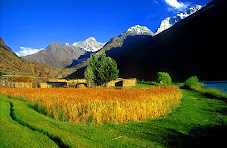
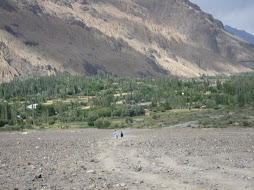
Kishmanja, a beautiful village in Yarkhun valley
Lush green
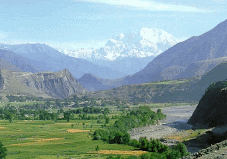
DIZG: threatened by floods
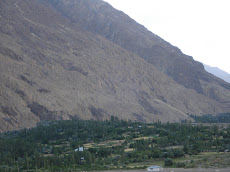
The legendary village of Ayun in Chitral
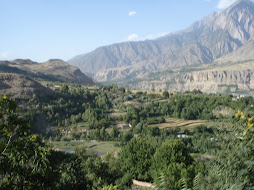
On way to Bumburet
Dizg, Yarkhun
About Me
- Zar Alam Khan Razakhel
- Village Dizg, Yarkhun valley, Chitral, Pakistan
- I blog at http://chitraltoday.net (ChitralToday) about Chitral, its people, culture, traditions and issues. I have been writing about Chitral since 2000. Chitral is a scenic valley in the extreme north-west of Pakistan.